English हिन्दी
Connect with us

India News

Amit Shah writes to MPs, seeks suggestions for amendment in Indian Penal Code and other laws

The experience of seven decades of Indian democracy calls for comprehensive review of Indian criminal laws, especially the Indian Penal Code (IPC) 1860, the Code of Criminal Procedure (CrPC) 1973 and the Indian Evidence Act 1872, the letter said.

Published

on

Amit Shah

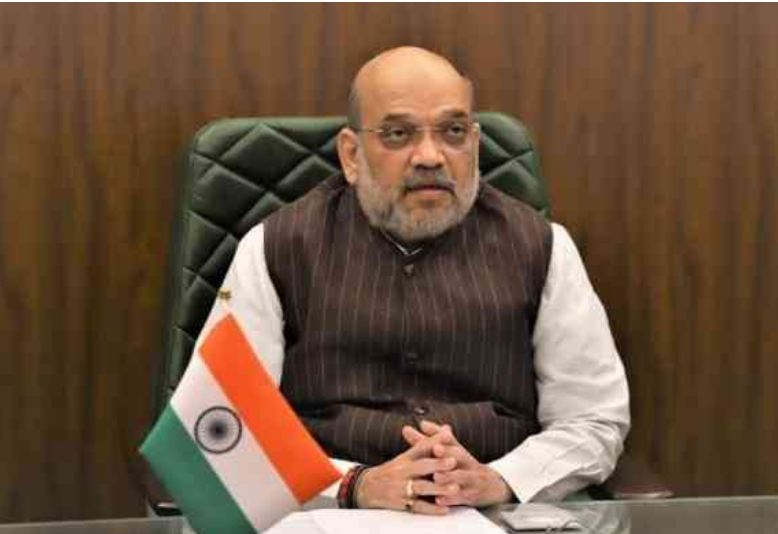
Union Home Minister Amit Shah has written to Member of Parliament’s (MP’s) for their suggestions to amendments in the Indian Penal Code (IPC), the Code of Criminal Procedure (CrPC) and other laws at the earliest.

The experience of seven decades of Indian democracy calls for comprehensive review of Indian criminal laws, especially the Indian Penal Code (IPC) 1860, the Code of Criminal Procedure (CrPC) 1973 and the Indian Evidence Act 1872, the letter said.

In his letter to MPs, Shah said the Centre is committed to ensure speedy justice to all the citizens of India, especially those belonging to the weaker and backward sections of the society. He also urged the Chief Justice of India, Chief Justice of High Courts, Chief Minister of States, Administrator of Union Territories, Bar Councils and Law Universities to send their suggestions.

The Ministry of Home Affairs intends to make comprehensive amendments in criminal laws after receiving suggestions from various stakeholders, Shah’s letter said. The Central government wants to make comprehensive changes in the framework of criminal laws and also intends to create a people-centric legal structure, the home minister said.

Read Also: PM convoy security breach: Rakesh Tikait says security lapse or farmers anger, need to probe

The MPs has a significant role in law making process and their suggestions will be invaluable in this exercise of comprehensive amendments in criminal laws, Shah said.

India News

Delhi heatwave alert as mercury touches 44 degrees across capital

Delhi witnessed its hottest May day since 2024 on Monday as dry scorching winds pushed local temperatures past the 44 degrees Celsius mark, prompting a multi-day weather alert.

Published

on

heatwave

The national capital was gripped by relentless dry winds and piercing heat on Monday, turning the city into a virtual furnace as maximum temperatures breached the 44 degrees Celsius mark in several localities. Residents are now bracing for an extended period of punishing summer conditions over the coming week.

According to the official weather department, Delhi’s base station at Safdarjung registered a maximum temperature of 43.4 degrees Celsius, which is 3 degrees higher than the seasonal normal. Meanwhile, the minimum temperature settled at 26.3 degrees Celsius. Although official heatwave criteria were not formally declared for the entire city, Monday marked the hottest day in May since 2024. The previous high for the month was observed on May 17, 2024, when the temperature reached 43.6 degrees Celsius.

Localized temperatures surge beyond 44 degrees

Among regional tracking stations, Ridge recorded the highest temperature at 44.6 degrees Celsius (3.1 degrees above normal). It was closely followed by Ayanagar at 44.4 degrees Celsius, Lodhi Road at 43.8 degrees Celsius, and Palam at 43.5 degrees Celsius. The minimum temperatures across most suburban pockets hovered around 26 degrees Celsius, aligning mostly with seasonal expectations.

The weather office has forecast sustained heatwave conditions across northwestern and central India. The capital is expected to see temperatures fluctuate between 43 and 45 degrees Celsius. Formally, a heatwave is logged when maximum temperatures cross 40 degrees Celsius and remain 4.5 to 6.4 degrees above normal for a continuous duration. A yellow alert remains active for Tuesday, with expectations of a maximum temperature of 44 degrees Celsius and a minimum around 28 degrees Celsius.

Thar Desert winds trap heat over Delhi-NCR

Independent weather experts stated that intense northwesterly winds traveling from Rajasthan’s Thar Desert and parts of central Pakistan are driving the surge. As these winds cross large arid stretches, they turn exceptionally dry, trapping heat near the ground surface and escalating local conditions.

Experts also noted that elevated night temperatures are a result of severe daytime heating. Because the ground lacks sufficient time to release the stored heat overnight, nights remain uncomfortably warm. With no forecast for thunderstorms or pre-monsoon showers over the next 10 days, the dry spell is likely to persist, heightening the risk of heat-related illnesses and sunstrokes.

Furthermore, environmental researchers highlighted that according to district-level vulnerability assessments, more than half of Delhi’s districts face a very high to extreme risk from heat. The lack of nighttime cooling reduces the human body’s capacity to recover from daytime thermal stress. On the environmental front, the city’s air quality index (AQI) was recorded at 173, remaining in the ‘moderate’ category.

Continue Reading

India News

Petrol and diesel prices increased for the third time in ten days amid global energy strain

Retail fuel prices across Indian metros jumped on Saturday as petrol rose by 87 paise and diesel by 91 paise in Delhi, accumulating a total increase of nearly five rupees per litre since May 15.


Published

on

Fuel Rate

Consumers across the country will face higher transport costs as domestic fuel prices were increased again on Saturday, marking the third revision within a ten-day window. State-owned oil companies have implemented a calibrated upward revision to pass on the rising costs of global energy, which have remained elevated due to the ongoing conflict in the Middle East.

With the latest adjustment, petrol prices went up by 87 paise per litre, while diesel rates rose by 91 paise per litre in the national capital. This series of revisions began on May 15, accumulatively raising the retail fuel prices by nearly Rs 5 per litre over the last ten days.

Revised fuel rates across major metropolitan cities

Following Saturday’s market adjustment, the retail selling prices for fuel have shifted across major consumer hubs. In Delhi, petrol now retails at Rs 99.51 per litre, while diesel stands at Rs 92.49 per litre.

Other major metropolitan cities saw parallel increases based on local taxation and transport variables:

  • Kolkata: Petrol jumped by 94 paise to retail at Rs 110.64 per litre, while diesel increased by 95 paise to hit Rs 97.02 per litre.
  • Mumbai: Retail petrol increased by 90 paise to reach Rs 108.49 per litre, and diesel climbed by 94 paise to sell at Rs 95.02 per litre.
  • Chennai: Petrol prices rose by 82 paise to Rs 105.31 per litre, whereas diesel increased by 87 paise to cost Rs 96.98 per litre.

Additionally, the price of Compressed Natural Gas (CNG) was increased by Rs 1 per kilogram in Delhi, taking its retail cost to Rs 81.09 per kilogram in the National Capital Region.

Gradual pass-through of global market pressures

The continuous upward adjustment follows a multi-week period of escalating crude prices. Before the latest weekend adjustment, fuel rates had already been raised by Rs 3 per litre on May 15, which was quickly followed by a 90 paise per litre hike on May 19.

Media sources close to government channels stated that the domestic oil market had previously received significant cushioning during high crude price cycles. During the height of the Hormuz supply crisis, the central administration indirectly absorbed price differences reaching up to Rs 24 per litre on petrol and Rs 30 per litre on diesel to shield consumers.

Financial data indicates that public sector oil marketing companies faced severe economic pressure during past stabilizing measures. Between 2021 and 2024, oil firms recorded collective losses of approximately Rs 24,500 crore. Furthermore, an economic burden of nearly Rs 40,000 crore was absorbed during the 2024-25 fiscal year specifically to keep liquefied petroleum gas (LPG) rates steady for retail consumers. The current staggered price hikes reflect a balancing act between protecting public fiscal healthcare and managing macro-level inflationary pressures.

Continue Reading

India News

Delhi gets relief from scorching heat as sudden rain brings down temperatures slightly

A sudden shift in weather brought rain and thunderstorms to Delhi-NCR, offering immediate relief to residents from a punishing spell of high summer temperatures.
Published

on

rain

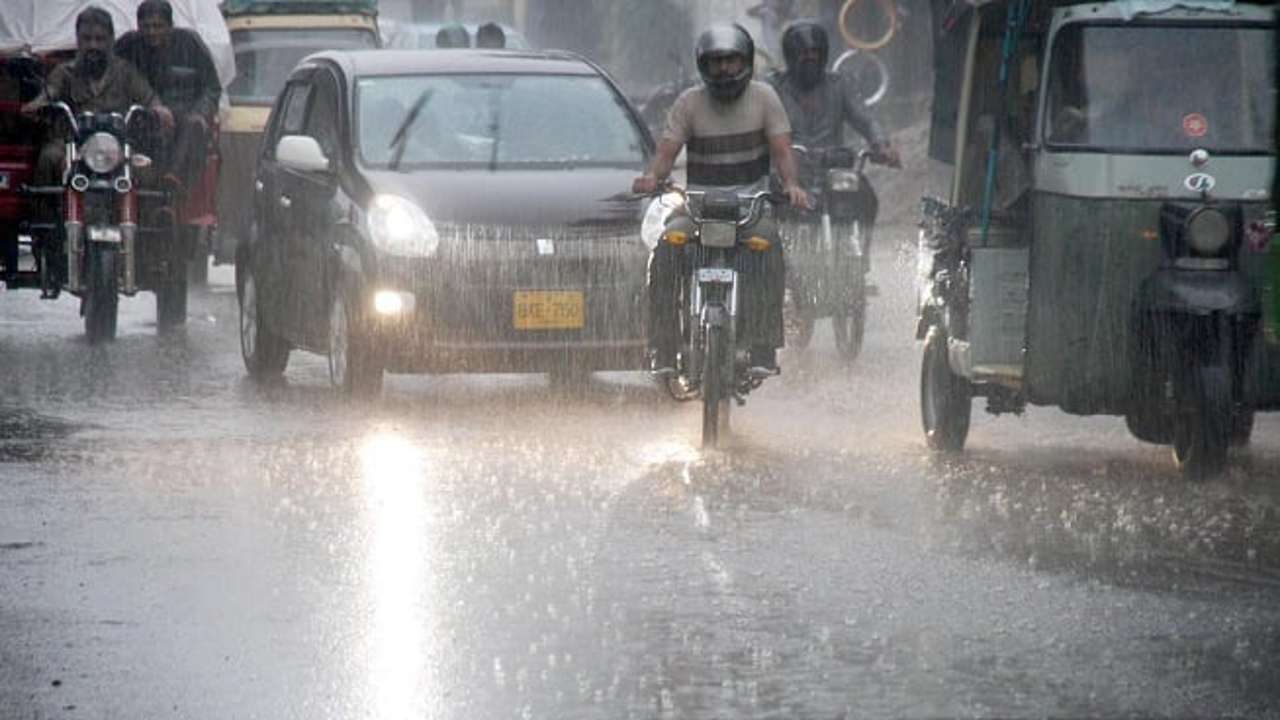
Providing a much-needed break from days of relentless summer heat, parts of Delhi and the National Capital Region (NCR) experienced sudden rain and thunderstorms. The change in weather conditions brought localized showers along with gusty winds, helping to pull down maximum temperatures slightly across the region.

Prior to the rainfall, the national capital had been witnessing intense heatwave conditions, with daytime temperatures pushing well above normal limits over the past week. The abrupt atmospheric activity turned skies dark in several areas, triggering intense winds followed by downpours that allowed residents some respite from the punishing heat.

According to updates from media, weather forecasting systems had anticipated a shift in the regional atmospheric patterns due to incoming disturbances. The resulting storm activity managed to cool down the parched streets of the city within a short span, though surrounding plains continue to grapple with high early-summer temperatures.

Local weather departments have indicated that while the showers have provided immediate relief from the sweltering conditions, marginal drops in the daytime mercury are likely to keep the intense summer heat in check for the next 24 to 48 hours. However, standard warnings remain in place regarding localized traffic disruptions or strong winds associated with such sudden thunderstorm activities.

Continue Reading

Trending

© Copyright 2022 APNLIVE.com